


Loading... Please wait...You can travel safely with most pet bird's once they become accustomed to being in a bird carrier and to the motion of the car. Most pet birds that are in the parrot family bond so closely with their human companions that they look forward to travelling with you at any opportunity. Never the less, if you or your bird have never travelled before, the thought of taking your bird on a road trip may be daunting.
Traveling with your parrot is fun with the right bird supplies and if your parrot has a good "travel disposition." Do you need help determining whether bird has a good travel disposition?
Ask yourself these questions before traveling with your parrot:Has your parrot traveled in bird carriers?
Is your parrot trained to wear a bird harness?
Have you socialized your parrot to feel comfortable with new experiences?
Is your bird accustomed to a routine (and do you plan on maintaining it)?
Travel is safest for young parrots or parrots that have been socialized to accept new experiences and new people and parrots with a set routine.
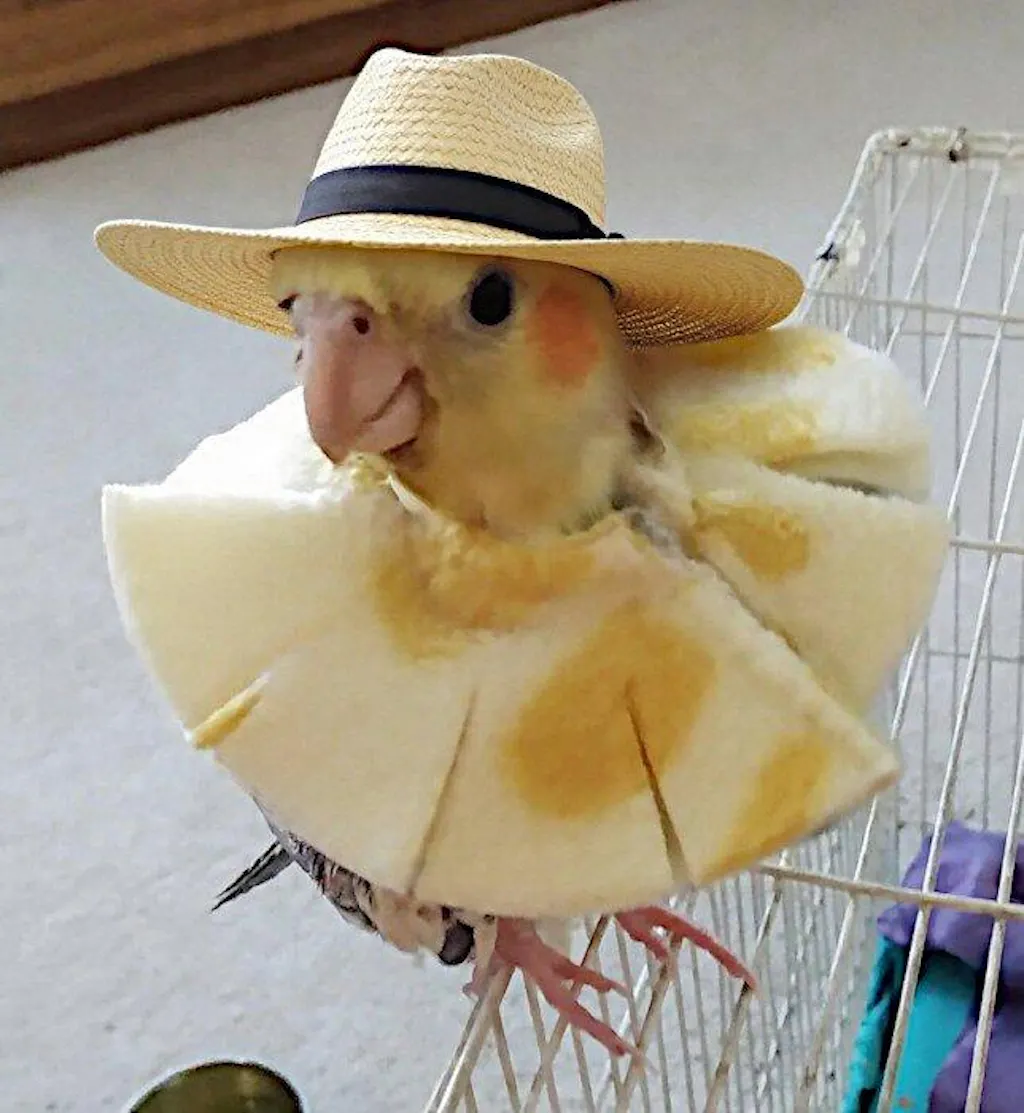
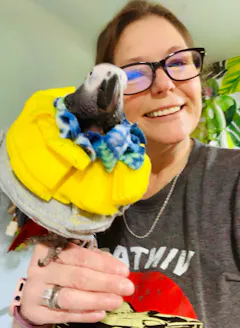
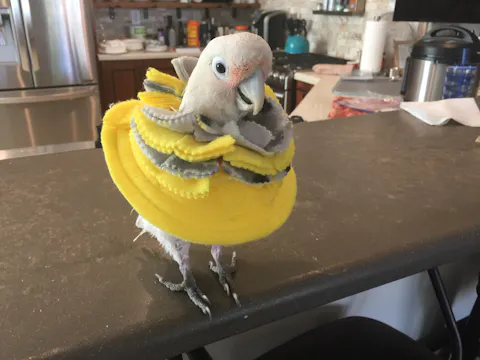
At home, you've learned to read your parrots moods and needs. On the road, you need to pay extra attention to your parrot to prevent stress and exhaustion. Before taking a long trip, we recommend that you acclimate your parrot to both riding in a bird carrier and wearing a bird harness with several short training sessions. You may want to purchase a shoulder apron or a Bird Diaper so that your parrot can ride on your shoulder during long car trips. Please never take a parrot out of it's carrier in a convertible car or if you have the windows or sun roof open.
Does your bird get motion sickness?
Like humans, your parrot can experience motion sickness. Motion sickness is caused by the brain are receiving conflicting messages the eyes and the rest of the body. The result is disorientation in the inner ear with the most common symptom being nausea. To prevent motion sickness, you can offer your parrot AviCalm for Birds just prior to the trip. This is a gentle formula of vitamins, minerals and amino acids, developed by veterinarians, which helps reduce stress.
Is your bird healthy?
Before any extended trip, it is a good idea to take your bird to your veterinarian for a health check-up. Travel causes stress for people and their parrots. Schedules change. Diets change. Water changes and consumption is disrupted. Some birds may experience phobias, while others tire easily. So, because fatigue, anxiety, and illness can make your parrot more susceptible to illness, it is important to start any trip rested and in good health. Consider packing a bird first aid kit just in case of an emergency
Can you insure your parrots safety while on the trip?
While on the road, your bird needs to always be secured in a well ventilated bird carrier. Because birds are at great risk of both theft and exposure to heat or cold, they should never left in your car unattended. Always bring a bottle of distilled water to prevent upsets to the system. Take precautions not to lose your parrot. Parrots can become quickly frightened and fly off. A flight suit with lanyard will help keep you in control. Also, to prevent escape, it is always a good idea to keep wings well-trimmed.
Will you have time for your bird at your destination?
If you will not have time to play with your parrot, feed him, and deal with hygiene, find a pet-sitter.
With planning and the proper bird supplies, travel with parrots can be a fun and rewarding experience.